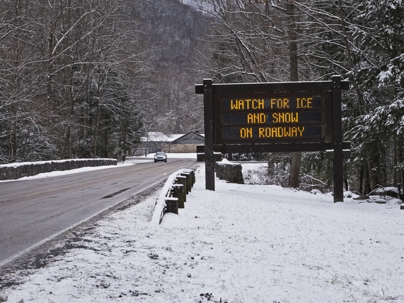
Winter and early spring in Tennessee bring shorter days, unpredictable weather, and challenging driving conditions. These seasonal changes do more than affect your commute—they can also influence how DUI stops happen and how DUI cases are investigated and defended. If you are facing DUI charges during this time of year, understanding how weather and daylight changes factor into your case can help you feel more prepared and less overwhelmed.
If you or someone you love has been arrested for DUI during winter or early spring, time matters. Speak with Meade Law Group as soon as possible to protect your rights and understand your options. Contact us today through our online form or call (423) 464-7779 for guidance and support.
Why Winter and Early Spring DUI Stops Are Different
Law enforcement officers are trained to look for signs of impaired driving. During winter and early spring, those signs can be harder to interpret because weather and daylight conditions often affect even sober drivers.
Common seasonal factors include:
- Reduced visibility due to darkness, fog, or rain
- Slippery roads from ice, snow, or cold rain
- Drivers adjusting to time changes and disrupted sleep
These conditions can make normal driving behavior appear suspicious. A slight swerve, delayed stop, or slower reaction time may be caused by road conditions rather than alcohol or drugs.
Shorter Days and Increased Nighttime Driving
During winter, daylight hours are limited. Many people drive to and from work in the dark, especially in early mornings and evenings. Early spring can also bring sudden darkness during storms.
This matters because:
- Officers rely heavily on visual observations at night
- Darkness can make it harder to judge lane position or speed
- Headlight glare and shadows can distort perception
A defense strategy may question whether an officer’s observations were reliable under low-light conditions.
Weather Conditions That Mimic DUI Symptoms
Cold and wet weather can affect the body in ways that appear to impair it. Officers often use physical cues to decide whether to investigate a driver for DUI.
Weather-related factors that can be mistaken for DUI signs include:
- Shivering that looks like nervousness
- Red or watery eyes from cold wind
- Unsteady walking due to ice or uneven pavement
These details can become important when reviewing police reports and video footage.
Field Sobriety Tests in Bad Weather
Field sobriety tests are roadside exercises used to check balance, coordination, and attention. These tests are not always reliable, especially during winter and early spring.
Problems with roadside tests during this season include:
- Uneven or slippery surfaces
- Heavy clothing that restricts movement
- Cold temperatures affecting balance and muscle control
A strong defense may challenge whether these tests were fair or safe to perform under the conditions present.
Common Tests Affected by Weather
- Walk-and-turn test: Ice, gravel, or sloped shoulders increase fall risk
- One-leg stand: Cold and wind make balancing harder
- Eye movement tests: Poor lighting can affect accuracy
How Weather Affects Breath and Blood Tests
Chemical tests are often central to DUI cases. Weather and temperature can play a role in how these tests are conducted and interpreted.
Possible issues include:
- Breath machines needing proper calibration
- Cold air affecting breath samples
- Delays in testing due to road conditions
Defense strategies may review whether testing procedures followed required standards despite weather-related challenges.
Time Changes and Driver Fatigue
Early spring brings daylight saving time, which disrupts sleep schedules for many people. Fatigue can look a lot like impairment.
Fatigue-related behaviors include:
- Slow reactions
- Trouble focusing
- Drifting within a lane
An attorney may argue that exhaustion, not alcohol or drugs, caused the driving behavior that led to the stop.
Increased DUI Patrols During Seasonal Transitions
Law enforcement agencies often increase patrols during winter holidays and early spring travel periods. While enforcement is legal, officers must still follow proper procedures.
Important questions include:
- Was there a valid reason for the traffic stop?
- Did the officer follow the required steps during the investigation?
- Were weather conditions properly considered?
These questions can shape the defense approach from the start.
Building a DUI Defense Around Seasonal Conditions
Every DUI case is unique, but winter and early spring conditions often provide additional context that should not be ignored.
A defense may focus on:
- Dashcam or bodycam footage showing road conditions
- Weather reports from the time of arrest
- Witness statements about driving conditions
Careful review of these details can uncover weaknesses in the prosecution’s case.
Why Legal Guidance Matters After a Winter or Early Spring DUI Arrest
Facing DUI charges can feel frightening and isolating, especially when you are unsure how seasonal factors affect your case. Having someone explain the process in clear terms can help restore a sense of control.
Learning more about your rights and the DUI process can make a difference. You can find helpful information about DUI defense by visiting the DUI criminal defense page on our website.
Johnson City DUI Defense Attorney
Weather and daylight changes can play a meaningful role in DUI stops and defense strategy. These factors deserve careful attention, especially when your freedom, license, and future are on the line.
If you are dealing with DUI charges in Johnson City or the surrounding areas, reach out to Meade Law Group today. Contact us through our online form or call (423) 464-7779 to discuss your situation and learn how we can help protect your rights during this difficult time.